

Nigeria’s housing deficit remains one of the nation’s biggest challenges but smart, well-planned, and affordable communities are paving a new path forward.
We are actively addressing this gap by offering sustainable homes, investor-friendly opportunities, and modern infrastructure at accessible costs.
What housing deficit really means
“Housing deficit” refers to the gap between the number of homes a country needs and the number of homes actually available.
It includes families without any housing, households living in overcrowded or unsafe conditions and people who cannot afford decent accommodation
In simple terms, the deficit grows when population increases faster than housing supply, or when available homes are too expensive or unsuitable for residents.
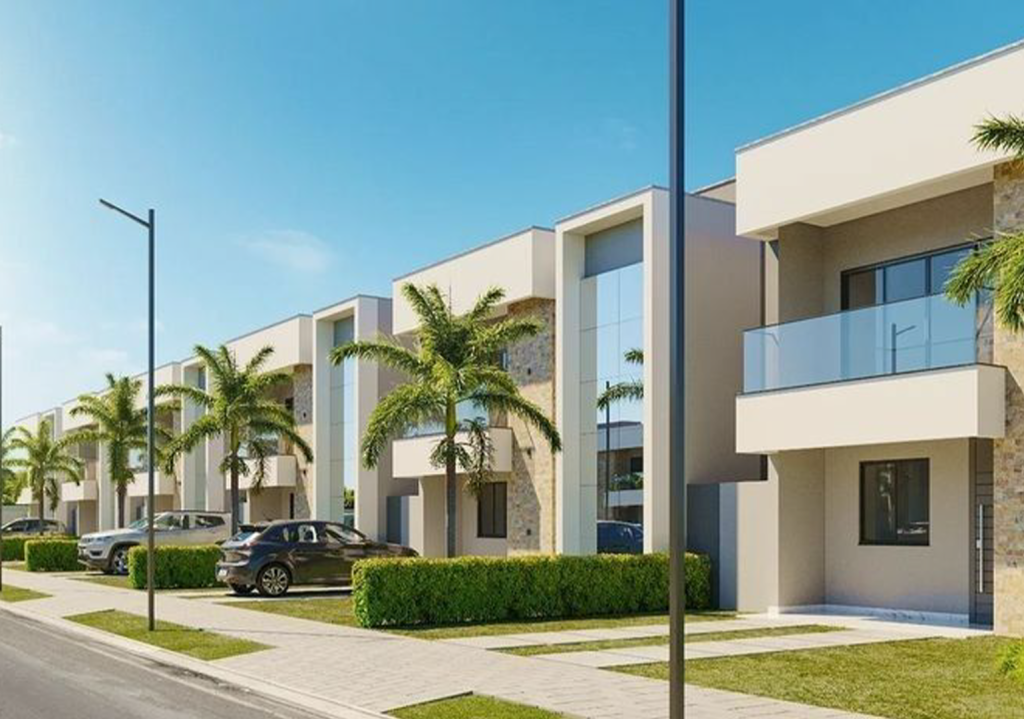
The reality of Nigeria’s housing deficit and what causes it
Nigeria’s housing deficit is estimated in the tens of millions, making it one of the largest in Africa. The factors driving this include:
- High construction costs: Inflation, expensive materials, and traditional building methods push prices beyond reach.
- Limited access to financing: Many Nigerians lack mortgage access or flexible payment structures.
- Rapid population growth: Cities like Lagos, Abuja, and Port Harcourt attract huge numbers of new residents weekly.
- Weak urban planning & infrastructure gaps: Poor layouts, unstable utilities, and inadequate transport systems slow down development.
- Land administration bottlenecks: Lengthy documentation processes and policy inconsistencies discourage developers and buyers.
Why affordability + sustainability is the new winning formula
Real estate demand in Nigeria is shifting. Today’s buyers want affordable, efficient, and future-ready homes, not just expensive structures.
This formula works because:
- Affordability opens access for more households
- Sustainability lowers long-term living costs through energy efficiency and better infrastructure
- Tech-enabled planning boosts community value and security
- Younger buyers prefer smart, organized living environments
Developments that combine cost-effectiveness with sustainability are shaping the future of Nigerian housing.
How We provide accessible and future-ready housing
Porch.ng bridges the gap through practical solutions:
- Accessible pricing & flexible plans that match different income brackets
- Smart, efficient infrastructure including modern road networks, digital utilities, energy-efficient systems, and proper drainage
- Verified land documentation (C of O) ensuring long-term security
- Sustainable community layouts featuring green spaces and eco-friendly systems
- Investor-friendly model with strong potential for appreciation and rental income
- Long-term planning that avoids overcrowding and supports future expansion
This approach creates communities that are modern, affordable, and built for longevity.